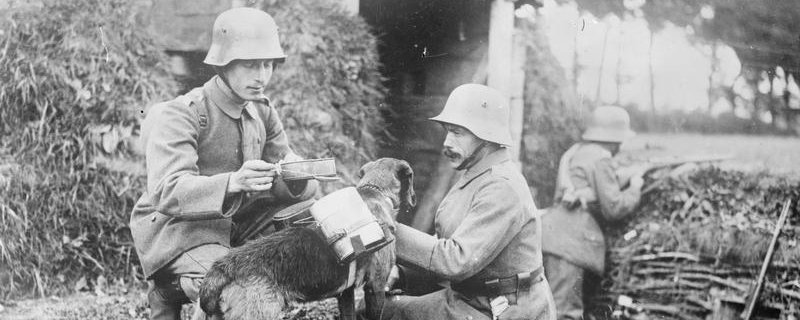
An army marches on its stomach. — Napoleon Bonaparte
The diet of a World War I soldier was designed to be high-calorie and filling, in order to sustain the intense physical demands of trench warfare. Official rations aimed for roughly 4,000–4,600 calories per day (higher in winter or for heavy labour) — which was often more than many working-class men ate at home before the war.
However, the reality in the trenches was far less appealing: food was frequently monotonous, tinned, cold, contaminated with mud or rats, and sometimes spoiled.
The Daily Ration (by 1917)
A typical daily ration included:
- Meat: 1 lb (450g) fresh or frozen meat, or 1 lb preserved/salt meat (often replaced by bully beef — tinned corned beef)
- Bread or Biscuits: 1¼ lb fresh bread (when possible) or 1 lb hard army biscuits (hardtack — dry, tooth-breaking biscuits that had to be soaked in tea or stew)
- Bacon: 4 oz
- Cheese: 3 oz
- Vegetables: Small amounts (peas, beans, potatoes, or tinned), though fresh produce was rare in the front lines
Other staples
- Jam or marmalade (often plum & apple)
- Sugar
- Tea (a huge morale booster — soldiers drank enormous quantities)
- Condensed milk, salt, pepper, and occasional rice or dried fruit
- Maconochie Stew (tinned beef and vegetable stew — popular when hot, hated when cold and greasy)
Back in 1914, during the early days of the Great War, rations were slightly more generous with fresh meat and vegetables. But as the army expanded and supply lines strained, meat was issued less frequently (sometimes only once every nine days later in the war), and turnip-based "bread" (due to a lack of flour) or horsemeat appeared.
Cooking in the Trenches
Cooking was extremely difficult in the front trenches due to mud, shelling, and the need for silence at night. Most food was eaten cold, straight from the tin, using a mess tin.
The daily diet for a WW1 soldier might be structured like this:
- Breakfast: Often bully beef or bacon (if hot food could be brought up), hard biscuits, jam, and tea
- Midday: Similar cold rations, or whatever could be heated on a small "Tommy's Cooker" (a portable solid-fuel stove)
- Evening/Supper: Stew (Maconochie or improvised "trench stew" from rations), biscuits, cheese, and more tea. Hot food was more common in reserve trenches or rear areas
- Supplements: Soldiers received occasional parcels from home (cakes, chocolate, cigarettes) or bought eggs, sausages, or fresh bread from local civilians when in quieter sectors or rest areas
Ration parties carried food forward at night — a dangerous job, as many were killed or wounded doing so.
How Other Armies Ate
Diets varied by nationality:
- French Soldiers: More emphasis on bread, wine (or watered-down vin ordinaire), cheese, and coffee. Their rations were often considered more varied but still relied heavily on tinned items
- German Soldiers: Started with good supplies including sausage, black bread, and beer, but suffered severe shortages later due to the Allied blockade. By 1917–1918, many were on reduced "turnip winter" diets with ersatz (substitute) foods
- American Soldiers (from 1917): Similar to British but with more canned goods, coffee, and their own "reserve ration" (canned meat, hard bread, sugar, salt). They often found British bully beef unappealing
Challenges and Health Issues
- Monotony and quality: Endless bully beef and biscuits led to complaints of "bread like chaff" and putrid tinned food. Maggots in meat or biscuits were common.
- Lack of fresh food: Very little fruit or vegetables meant scurvy and other deficiency diseases appeared (especially noted among ANZAC troops at Gallipoli). Night blindness and bleeding gums were reported
- Water: Often scarce, chlorinated, or carried in petrol tins — tea helped mask the taste
- Morale role: Food (especially hot tea and jam) was a huge psychological boost. Sharing parcels or cooking improvised meals helped build camaraderie
In rest camps or behind the lines, soldiers ate better — hot meals from field kitchens, eggs, sausages, and sometimes puddings. Overall, while the calorie count was adequate on paper, the diet was nutritionally imbalanced by modern standards and heavily dependent on supply lines, weather, and the sector of the front.
Try It Yourself — Maconochie Stew
Why not try out a typical WW1 soldier's meal for yourself? Below is a recipe for Maconochie Stew:
Ingredients
- 340g beef (or one can of corned beef)
- 30g onions
- 140g waxy potatoes
- 30g carrots
- 15ml flour
- 15ml fat (lard or rendered beef fat)
- 30g beans, cooked (white beans such as navy or great northern)
- 60ml beef stock or water
- Salt to taste
Method
- Cut beef into ½ inch to 1 inch pieces
- Thinly slice the potatoes, onions, and carrots
- Steam or boil the beef, potatoes, carrots, and onions until tender
- Heat the fat in a pan
- Add cooked potatoes, carrots, onions, beans, and beef and simmer over medium heat
- Make a batter from the beef stock or water with some flour
- Add the batter to the stew
- Cook until thickened
- Salt to taste
Parcels From Home
Packages from loved ones and charities provided grateful respite from the repetitive daily diet — particularly at Christmas time. At its peak (during the run-up to the infamous 1914 Christmas Truce), the British Post Office delivered around a million parcels a week, presenting a huge logistical challenge.
These packages included much-welcome treats such as sweets, chocolates and plum puddings, along with tobacco, warm clothing and reading material. These treats provided a much-needed taste from home, and a welcome escape from the drudgery and drabness of a soldier's daily diet.